Long-form / 深度專題
港口與航運:由船塢到貨櫃碼頭
Port and shipping: from dockyards to container terminals
香港嘅港口,點解可以養活一個城市,又點解會被後來的競爭者追上?
1843 年,香港設立船政廳管理船隻註冊同海港保安;1863 年黃埔船塢落戶紅磡;1972 年葵涌一號貨櫃碼頭啟用,造價約 1.5 億元。由修船到轉口,再到貨櫃同轉運,港口一直係香港嘅基礎設施;但港口亦係一個要土地、要勞工、要規則嘅產業。
約 3 分鐘 · 5 節 · 12 條時間線 · 3 份文獻
English
1. 1843–1867: the port begins as administration
In 1843, early in British rule, the authorities established the Harbour Master’s Office, responsible for ship registration, port administration and harbour security. The port was therefore not merely a natural harbour but a system of registration, fees, patrols and adjudication. Ships could come and go, but not without rules; the volume of trade required a dedicated department.
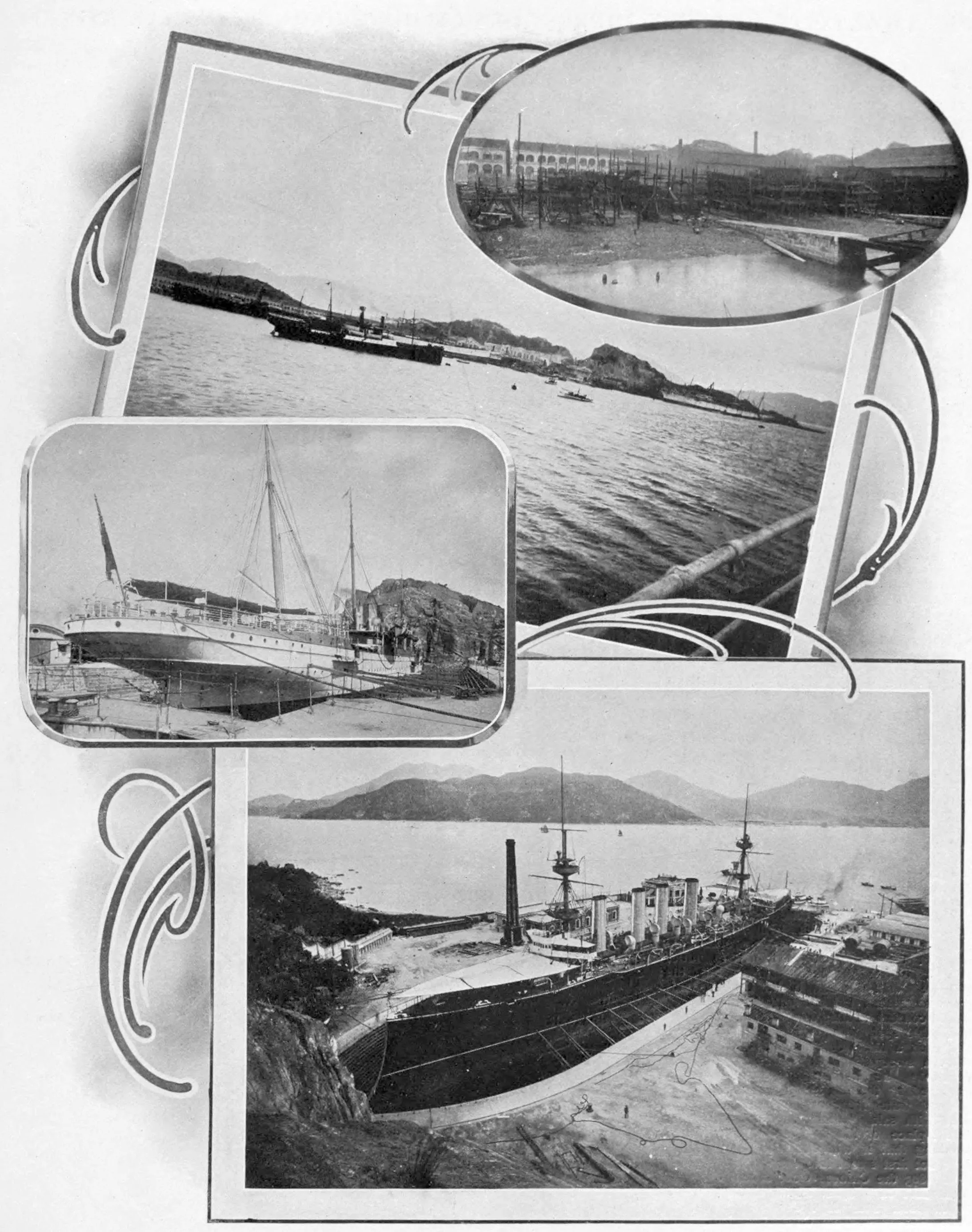
In the 1860s the Whampoa Dock in Hung Hom was completed as one of Asia’s largest dockyards. In 1863 the Hong Kong and Whampoa Dock Company chose Hung Hom and established the dock; on 15 June 1867 the Aberdeen dry dock opened as Hong Kong’s first sizable dry dock. Dockyards did more than repair ships: they sustained metalwork, engineering, carpentry and wharf labour, forming a bridge between early industry and the port.
2. 1907: Taikoo Dockyard and port industry
In August 1907 Taikoo Dockyard was completed and began operating in Quarry Bay, then the largest dockyard in Hong Kong. “Largest” meant more than dock length: wharves, warehouses, workshops, workers’ housing and community facilities appeared together. The port economy thus moved from trading beside a pier to a urban form with fixed plants, occupations and communities.
Dockyards were also a frontline of labour organising. Dockworkers, wharf coolies and seafarers faced hours, wages and safety problems; their strikes and associations often predated those of factory workers. Port efficiency rested on intense manual labour. A discussion of competitiveness cannot be only about depth and cranes; it must also cover the pay and protection of this workforce.
3. 1969–1975: the container revolution at Kwai Chung
In November 1969 Orient Overseas Container Line became the first enterprise in Asia to introduce container shipping, opening a fixed trans-Pacific service. Containers did more than put cargo in boxes: they turned wharves from manual handling into standardised, mechanised systems dependent on land and yard space. A terminal’s site, area and road connections now determined port capacity.
On 4 April 1970 the authorities designated the Kwai Chung seabed for container terminals and entrusted a private company with construction and operation. On 5 September 1972 Berth No. 1 opened at a cost of about HK$150 million, Hong Kong’s first modern berth for standard container ships, and the container ship Tokyo Bay berthed there the same day. Terminal 4 began operating in 1975. The speed from designation to operation showed how quickly Hong Kong responded to a change in shipping technology.
4. 1988–2004: re-exports, transhipment and world leadership
In 1988 Hong Kong’s re-exports exceeded domestic exports, reaching 56% of total exports; by 1994 re-exports were 81%. The port was increasingly handling goods made elsewhere and transited through Hong Kong rather than goods made and exported locally. Its role shifted from industrial export gateway to regional logistics hub.
Until 2004 Hong Kong remained the world’s busiest container port in standard TEU terms. That position rested not only on natural depth but on the free-port regime, dense shipping services, customs efficiency and private terminal investment. At the same time, Pearl River Delta ports expanded rapidly and began to divert cargo and services. To stay relevant, Hong Kong needed higher-value logistics, finance and professional services, not just more berths.
The port also reshaped urban space. Kwai Chung, Tsing Yi and Stonecutters Island turned seabed into terminals, yards and roads; container trucks pass through residential areas and main arteries, bringing noise, air pollution and congestion. The more efficient the terminal, the greater the pressure on surrounding roads and land — a tension that never appears in throughput figures.
5. The limits of this dossier: a port is more than throughput
This dossier focuses on port hardware and institutional turns. It does not have enough registered entries to cover terminal automation, gantry crane technology, channel dredging, port pollution or surrounding traffic. Container truck drivers, dockworkers, subcontracting and occupational safety are only touched on; they need separate labour and environmental evidence.
Likewise, competition with Shenzhen, Guangzhou and Singapore cannot be judged by throughput rankings alone. Service structure, cargo value, transhipment share, clearance time and land cost each affect competitiveness. A single number rising or falling cannot establish whether the industry as a whole succeeded or failed.
Port governance is also unfinished: who allocates land, who operates terminals, how charges are set and how communities participate determine how benefits and costs are distributed. These questions are not inside cranes or containers, but they decide who the port is built for.
Gaps
- Terminal automation, gantry crane technology, channel dredging and port pollution are not covered.
- Container truck drivers, dockworkers, subcontracting and occupational safety are not checked item by item.
- Comparisons of service structure and cargo value with Shenzhen, Guangzhou and Singapore are not included.
- Traffic, land use and community effects around the port are not verified district by district.
- The division of labour between air cargo and sea freight is only mentioned at the margin.