Long-form / 深度專題

法律制度:由領事裁判權到終審法院

The legal system: from consular jurisdiction to the Court of Final Appeal

香港嘅普通法制度,係點樣由殖民管治工具變成特區司法框架?

1839 年,義律拒絕交出兇犯,自行開庭審判——「邊個有權審」一開始就係主權問題。1843 年駐華刑事和海事法庭遷港,1844 年審理首案,1997 年終審法院成立。制度每次改動,都同主權、語言同法律援助可及性有關。

約 4 分鐘 · 5 節 · 26 條時間線 · 2 份文獻

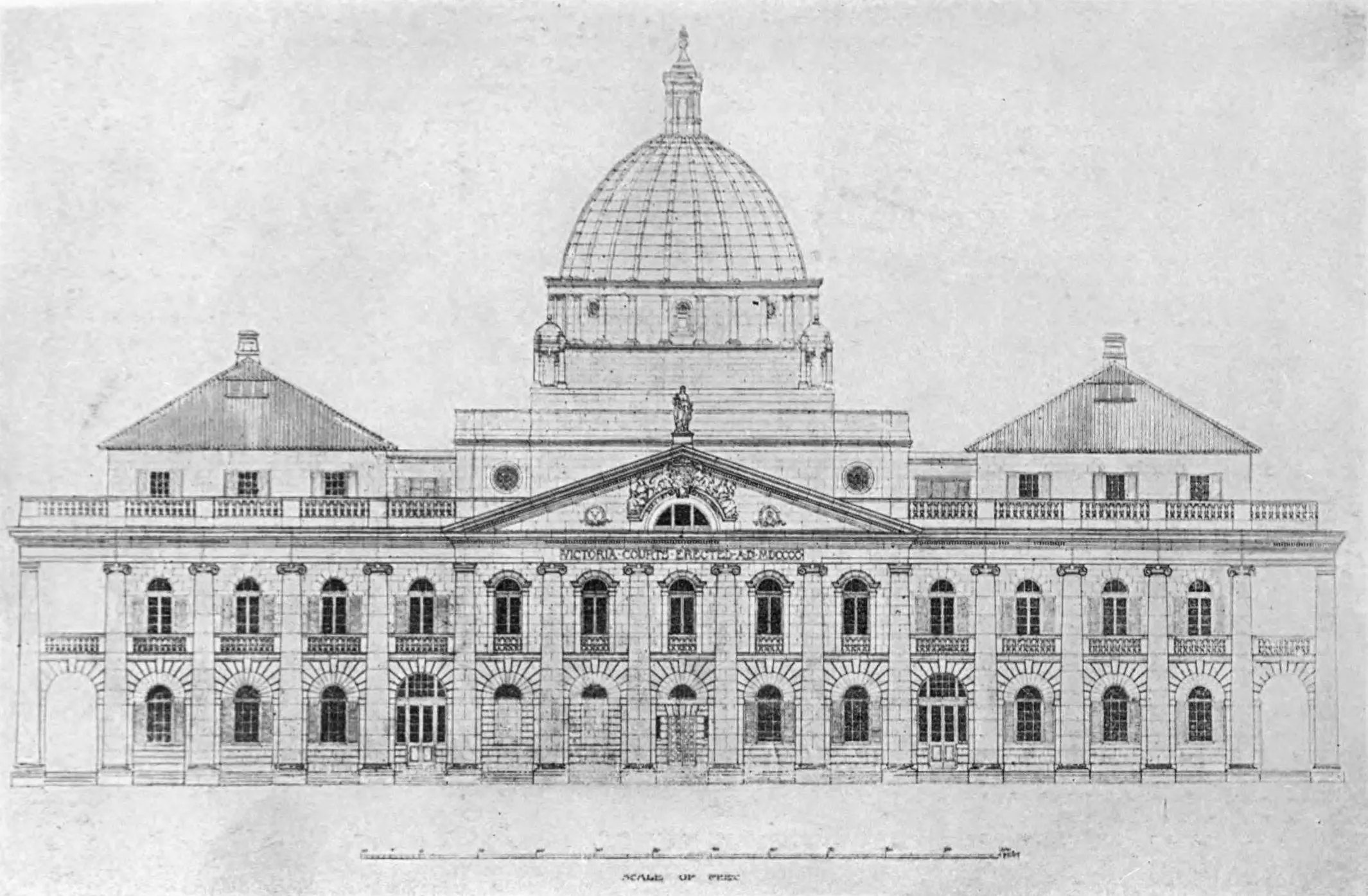
黑白線稿:一座帶中央圓頂同山花的新古典建築立面,兩翼各有三角頂亭樓,底部有標尺刻度,圖上題字為 Victoria Courts。
1908 年出版的《二十世紀香港》所刊法院立面圖,圖上題字為 Victoria Courts;係圖則,唔係建築照片。Elevation drawing of the law courts as printed in the 1908 volume Twentieth Century Impressions of Hong Kong, captioned “Victoria Courts”; a drawing, not a photograph of the building.刊於 1908 年《二十世紀香港》。圖上題字寫「VICTORIA COURTS ERECTED A.D. MDCCCXCI」,同今日所見、1912 年啟用的舊最高法院大樓落成年份對唔上;本站未逐字核實圖則年份,所以只當「1908 年書刊所載法院立面圖」,唔會當成落成建築嘅照片,亦冇放去古蹟頁。 · 《二十世紀香港》書中圖則,經 Wikimedia Commons 取得 · Public domain Commons 檔案頁 sha1 00a985845312…

繁體中文

一、開埠前:司法權先於殖民地

1839 年 8 月 2 日,義律拒絕把兇犯交予中方,自行開庭並從輕發落,官方大事記直接評為侵犯中國司法權。呢件事發生在英國佔領香港之前,但已經顯示:在華英人要求由本國領事或法庭審理,唔接受中國衙門管轄。司法管轄權係之後一切安排嘅起點。

1841 年英軍佔領香港後發出公告,表明鄉約律例與禮儀相關者准予仍舊;1843 年 1 月 4 日,英國政府以樞密院頒令,把 1833 年設於廣州嘅駐華刑事和海事法庭遷至香港,管轄香港島以及中國內地與沿岸一百英里地帶,審理區內英國臣民刑事案件。1844 年 3 月 4 日,這個司法機構在香港審理首宗案件。法院先到,本地成文法隨後才逐步建立。

二、法院、陪審團與雙軌法律

1845 年 8 月 19 日,港府立法規管陪審團,訂明六人為陪審團人數,並就出任陪審員訂立資格。1849 年 2 月 22 日,港府訂立條例成立簡易法庭,總巡理府獲授予審理輕微刑事案件嘅權力。陪審團同簡易法庭一重一輕,決定咗邊類案件由社群代表裁斷、邊類由官員快速處理。

1861 年 2 月 4 日,英女王頒布關於九龍嘅樞密院頒令,界限街以南九龍半島由租借地變成香港殖民地組成部分;同月 30 日刊憲後,九龍法律制度與香港島一致。但「一致」只限法院體制:1840 年代至 1960 年代,香港並行兩套婚姻法規,一套是港府《婚姻條例》,另一套是《大清律例》連同傳統習俗。普通法法院與華人習慣法長期並存,係香港法律史嘅基本結構。

三、專業化與司法地景

法律專業長期由少數人掌握。1844 年至 1898 年間,共有四十六人獲准成為大律師,當中華人僅佔三位;1887 年 8 月 23 日,香港出現第一位華人執業律師何渭臣。數字說明:法院開放咗,但專業門檻同語言門檻仍然把大多數華人擋在外面。

1912 年 1 月 15 日,位於香港嘅高等法院大樓開幕並開始運作;建築計劃 1899 年年底啟動,1903 年 11 月 12 日奠基,整個過程歷時十二年。1933 年 11 月 20 日,少年法庭首次在中央裁判司署開庭,依據 1932 年制定嘅青少年犯條例。1947 年 8 月 1 日,修訂條例撤銷陪審員只限男性嘅規定,合資格女性同樣須履行陪審員職責。法院建築、少年司法同性別准入,標誌制度由「管治工具」走向「公共程序」。

四、法律援助與中文審訊

1953 年 2 月 18 日,港府成立維多利亞及九龍兩所地方法院,替代高等法院原有嘅簡易法庭。1966 年 11 月 25 日,港府就法律援助立法,容許符合條件嘅民事訴訟當事人申請援助;翌年一月,法律援助部在司法機構之下設立。1970 年 7 月 1 日,法律援助部脫離司法機構獨立運作,服務由民事擴至刑事,並為合資格者指派律師或大律師。法律援助把「法院開放」同「實際可達」分開處理:有法院唔等於人人有能力用。

語言係另一道門檻。1977 年 9 月 30 日,維多利亞地方法院首次以中文宣讀判詞;官方大事記指出,自十九世紀設立司法制度以來,法院從未以中文撰寫判詞。1995 年 12 月 13 日,首宗以中文審訊嘅民事案件由最高法院審結,首份中文判詞亦隨之頒下;1996 年 2 月 16 日起,中文審訊擴展至土地審裁處及區域法院。審訊語言由例外變成制度,直接影響市民能否理解程序。

五、1997:終審權與解釋權

1995 年 6 月 8 日,中英兩國政府就香港終審法院事宜簽署協議。1997 年 7 月 1 日,香港回歸,原有法律除與基本法牴觸或經立法機關修改者外一律保留,涵蓋普通法、衡平法、條例及附屬立法,以及習慣法;終審法院享有司法終審權。1997 年 9 月 11 日,終審法院開庭處理首宗案件,拒絕一項涉及遺產嘅上訴請求。

1999 年 1 月 29 日,終審法院在吳嘉玲案裁定,基本法所述「中國其他地區的人」並不涵蓋已享有居留權嘅人士,因此該等人不得被遣返;同日,終審法院亦裁定特區法院有權審查全國人大及其常委會嘅舉措是否與基本法牴觸。1999 年,全國人大常委會就香港永久性居民在中國境外所生中國籍子女嘅居留權問題解釋基本法。呢兩個動作,界定咗「本地終審」同「憲制解釋」之間嘅界線,亦係之後討論司法獨立時無法回避嘅起點。

未解與缺口

  • 本篇只按大事記同地方志條目講制度節點,未逐宗分析判例同判詞。
  • 法律援助嘅經濟審查、覆蓋範圍同實際使用率,未有逐年數據。
  • 法官任命、司法獨立同公眾信心嘅量化指標,未在本篇處理。
  • 1997 年後中文審訊擴展、雙語判詞同法律翻譯嘅進度,未逐項核實。
  • 與其他普通法司法管轄區嘅制度比較、收費同案件輪候時間,未包括在內。
  • 法律專業人數、族裔同性別構成只有零星歷史數字,未有完整序列。

文獻點讀

  • 《香港志·總述 大事記》(公元前 5000 年至 2017 年,共 6,500 多條大事)p.76、p.123、p.129、p.132、p.138、p.149、p.171、p.199、p.227、p.265、p.291、p.350、p.367、p.409、p.524、p.527、p.554、p.570司法權衝突、法院設立、陪審團、簡易法庭、法院大樓、少年法庭、法律援助、中文判詞、終審法院同居留權案嘅官方大事記。官方/出版者網址
  • 《香港志·自然》建置與地區概況(人口)p.652、p.657、p.660大律師人數、婚姻法規雙軌同佔領公告保留鄉約嘅人口與地區概況。官方/出版者網址

頁碼係電子書頁碼;同一本書不同版次可能移位。引用時請連書名、卷冊同頁碼一齊寫。

English

1. Before the colony: jurisdiction came first

On 2 August 1839 Elliot refused to hand the suspect to the Chinese authorities, held his own trial and imposed a lenient sentence; the official chronology describes this directly as an infringement of China’s judicial sovereignty. The episode predates British occupation, but it already showed that British residents in China demanded trial by their own consul or court rather than by Chinese magistrates. Jurisdiction was the starting point for everything that followed.

After British forces occupied Hong Kong in 1841, a proclamation allowed matters relating to village covenants and rituals to remain as before. On 4 January 1843 the British government, by Order in Council, moved the Criminal and Admiralty Court for China — established in Canton in 1833 — to Hong Kong, with jurisdiction over the island and a 100-mile zone of the mainland and coast, hearing criminal cases involving British subjects. On 4 March 1844 this judicial body heard its first case in Hong Kong. The court arrived before a local statute book was built.

2. Courts, juries and legal pluralism

On 19 August 1845 the Government legislated for juries, setting six as the number of jurors and laying down qualifications for service. On 22 February 1849 it enacted an ordinance establishing a summary court, giving the Chief Magistrate power to hear minor criminal cases. The jury and the summary court formed a heavy and a light track, deciding which cases went to community representatives and which were handled quickly by officials.

On 4 February 1861 Queen Victoria issued an Order in Council on Kowloon, turning the peninsula south of Boundary Street from leased territory into part of the Colony of Hong Kong; after gazettal on the 30th, Kowloon’s legal system became the same as Hong Kong Island’s. But “the same” applied to the court structure only. From the 1840s to the 1960s two sets of marriage law operated in parallel: the Government’s Marriage Ordinance and the Great Qing Legal Code together with traditional customs. Common-law courts and Chinese customary law coexisted for a long time, a basic feature of Hong Kong legal history.

3. Professionalisation and the judicial landscape

The legal profession was long controlled by a small group. Between 1844 and 1898, 46 people were admitted as barristers, only three of them Chinese; on 23 August 1887 Ho Wai-shan became Hong Kong’s first Chinese practising lawyer. The numbers show that the court was open, but professional and language barriers still kept most Chinese residents outside.

On 15 January 1912 the Supreme Court Building in Hong Kong opened and began operating; planning began at the end of 1899, the foundation stone was laid on 12 November 1903, and the process took 12 years. On 20 November 1933 the Juvenile Court held its first sitting at the Central Magistracy, under the Juvenile Offenders Ordinance enacted in 1932. On 1 August 1947 an amending ordinance abolished the male-only rule for jurors, so that qualified women were also required to serve. A court building, juvenile justice and gender access mark a shift from instrument of governance towards public procedure.

4. Legal aid and Chinese-language trials

On 18 February 1953 the Government established two district courts, in Victoria and Kowloon, replacing the Supreme Court’s summary courts. On 25 November 1966 it legislated for legal aid, allowing eligible parties to civil proceedings to apply; in January the following year a Legal Aid Department was set up under the Judiciary. On 1 July 1970 legal aid became independent of the Judiciary and expanded from civil to criminal cases, assigning solicitors or barristers to eligible persons. Legal aid separated an open court from a reachable one: having a court does not mean everyone can use it.

Language was another barrier. On 30 September 1977 the Victoria District Court read a judgment in Chinese for the first time; the official chronology notes that since the judicial system was established in the nineteenth century, courts had never written judgments in Chinese. On 13 December 1995 the first civil case tried in Chinese was concluded by the Supreme Court and the first Chinese judgment handed down; from 16 February 1996 Chinese trials were extended to the Lands Tribunal and the District Court. Trial language moved from exception to institution, directly affecting whether residents could understand proceedings.

5. 1997: final adjudication and interpretation

On 8 June 1995 the Chinese and British governments signed an agreement on Hong Kong’s Court of Final Appeal. On 1 July 1997 Hong Kong returned, and the laws previously in force were retained except those that contravened the Basic Law or were amended by the legislature, covering common law, equity, ordinances and subsidiary legislation, and customary law; the Court of Final Appeal received the power of final adjudication. On 11 September 1997 the Court of Final Appeal heard its first case and refused an appeal concerning an estate.

On 29 January 1999 the Court of Final Appeal ruled in the Ng Ka Ling case that “persons from other parts of China” in the Basic Law did not cover those who already enjoyed the right of abode, so they could not be repatriated. On the same day it also ruled that the courts of the Special Administrative Region had power to review whether acts of the National People’s Congress and its Standing Committee were inconsistent with the Basic Law. In 1999 the Standing Committee interpreted the Basic Law on the right of abode of Chinese children born outside China to Hong Kong permanent residents. These two moves defined the boundary between local final adjudication and constitutional interpretation, and remain the starting point for later debates on judicial independence.

Gaps

  • This dossier follows institutional milestones in the chronology and local gazetteers; it does not analyse individual cases or judgments.
  • Means testing, coverage and actual take-up of legal aid are not available as a year-by-year series.
  • Quantitative measures of judicial appointments, judicial independence and public confidence are not addressed here.
  • The post-1997 expansion of Chinese trials, bilingual judgments and legal translation is not verified item by item.
  • Comparison with other common-law jurisdictions, costs and case waiting times are not included.
  • Only scattered historical figures exist for the profession’s size, ethnicity and gender; there is no complete series.

相關頁

引用本篇:請連標題、網址同「香港紀事館深度專題」一齊寫;時間線內每條條目仍以原書頁碼為準。

↑